
How to choose a smart lock for your door
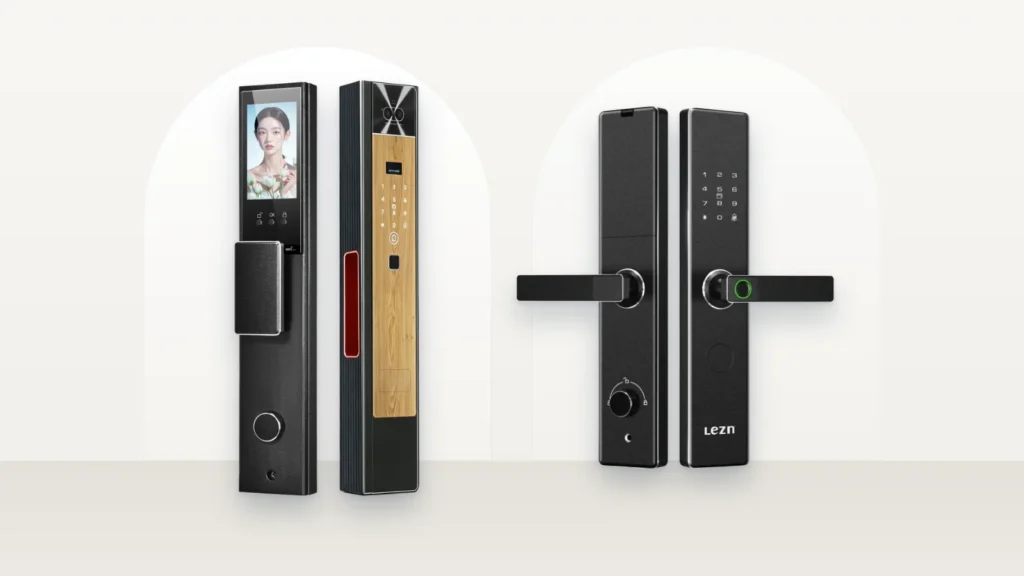
A smart lock is not a gadget you buy and forget. It becomes part of a door you use dozens of times a day, so the decision deserves a little structure. This guide puts the questions in a sensible order, from the door itself to the finish.
Start with the door, not the features
A smart lock replaces the lock body and handles on your door, so the door decides a great deal before you look at any feature list. Note the door’s material and thickness, which way it opens and what lock is fitted now. If the door faces a street or garden, note how exposed it is to rain or strong sun. These details save time later; our guide to preparing your door, on the guides page, covers them in depth.
Think about who will use it
List everyone who needs to get in, and how often:
- Residents who come and go every day
- Family members who visit regularly
- Guests staying for a few days
- Cleaners, drivers or maintenance staff
People who use the door daily gain the most from biometrics, such as face, palm vein or fingerprint, because there is nothing to carry. Occasional visitors are easier to manage with a card or a password that can usually be changed or deleted later. Remember older family members and children too, as each has different needs when it comes to ease of use.
Match unlock methods to your habits
Most smart locks combine several methods. A practical set usually includes one biometric method for residents, a card or password for everyone else, and a conventional key for emergencies. A phone app adds remote management, but what it can actually do depends on the model and on how the lock is connected.
If you want two biometric options, which helps when one family member’s fingerprints read poorly, look at locks that combine face and palm vein recognition, such as our Palm Vein & Face Locks. Our guide to unlock methods compares each one in more detail.
Do not overlook power
Smart locks run on batteries. A larger capacity generally means longer intervals between charges or replacements, but real use matters as much as the number on the specification: how often the door opens, and which features, such as a screen or camera, are active. Whatever the model, keep the conventional key within reach.
Look at the finish in context
Finish is not only a matter of taste. A black lock almost disappears on a dark door, while gray, mocha, gold or wood grain can soften its presence on lighter or timber doors. Open the product photos at full size and compare them with a photo of your own door before you decide. Keep in mind that the lighting in your entrance can make a finish look different from how it appears on screen.
Read what the specification actually says
Read specifications carefully and rely only on what is written. If a particular feature matters to you, such as NFC, video intercom or a specific finish, make sure it is listed for that exact model rather than for the series in general. When something is unclear, ask before ordering; an early question is always easier than a later change.
A short checklist before you decide
- Measure the door’s thickness and note its material.
- Decide who needs access, and how.
- Choose a combination of unlock methods that includes a conventional key.
- Compare finishes against a photo of your door.
- Confirm the listed specifications for the model, then request a quote.
Taken in this order, choosing a smart lock becomes a clear decision rather than a long comparison of similar feature lists.


